Blog
Practical notes on cloud ops, cost control, and what to do after the VM comes up.
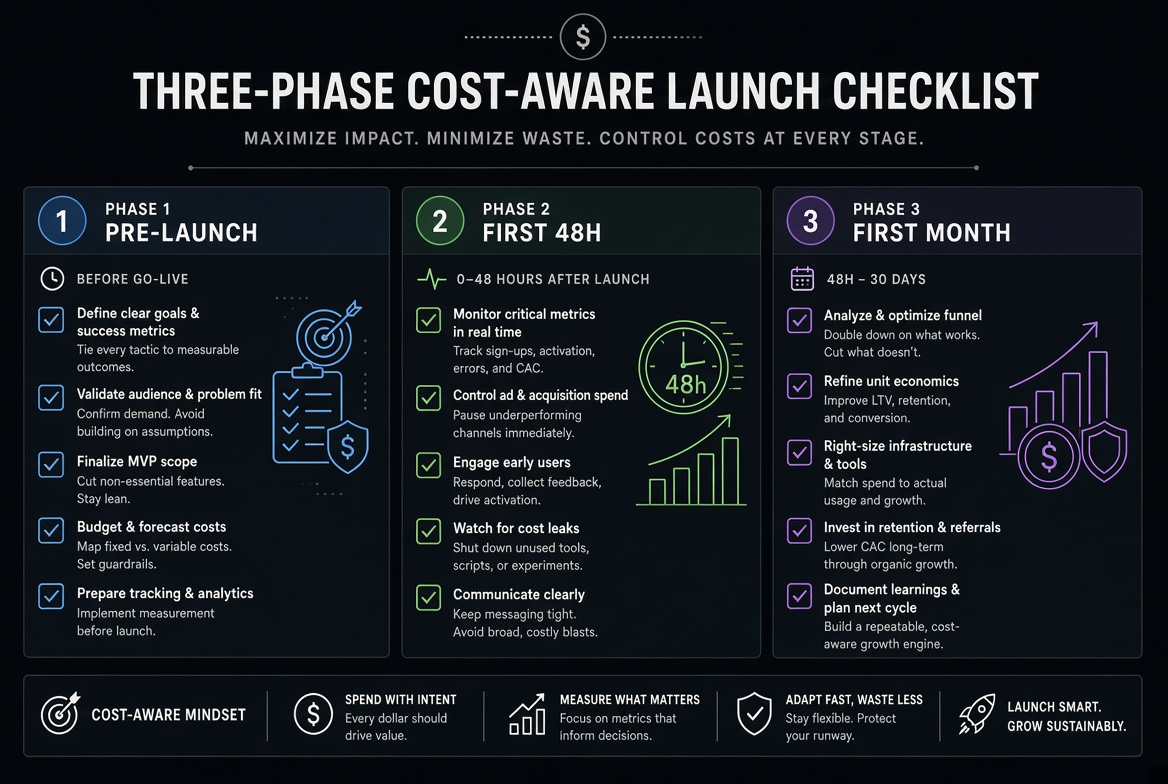
From calculator to production: a cost-aware launch checklist
Turning SightLab calculator results into concrete pre-launch, post-launch and first-month review checks that keep the real bill close to the estimate.
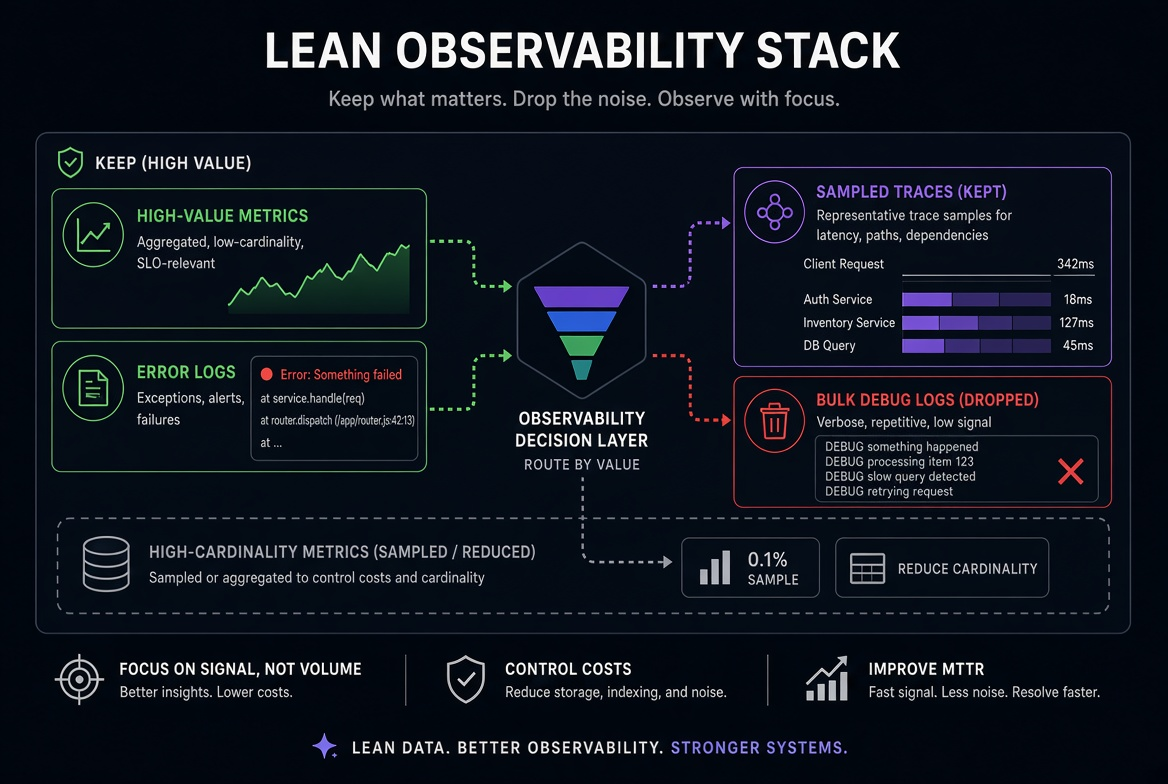
Observability stack on a budget: what to keep and what to drop
Metrics, logs and traces cost levers and the practical minimum viable combination for a small team that still needs to debug production.
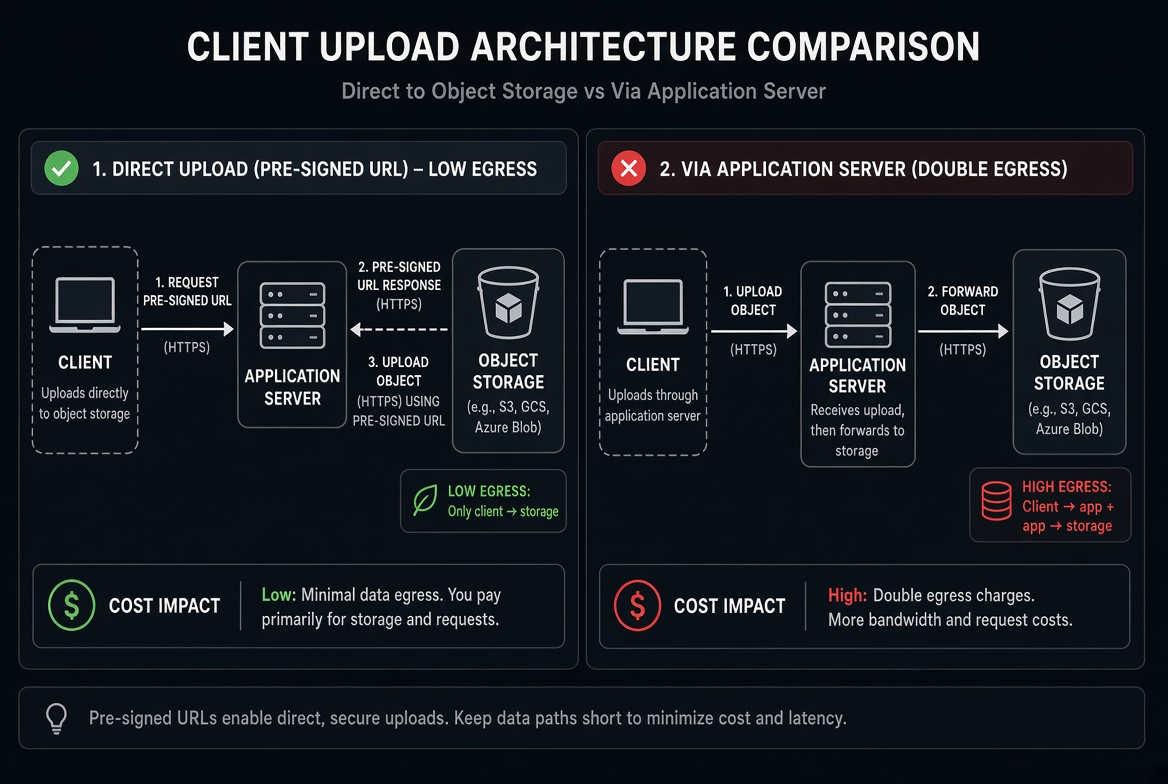
Handling large file uploads without destroying the egress budget
Direct-to-object-storage patterns, multipart uploads, pre-signed URLs and the security points that keep large uploads from becoming an egress or security problem.
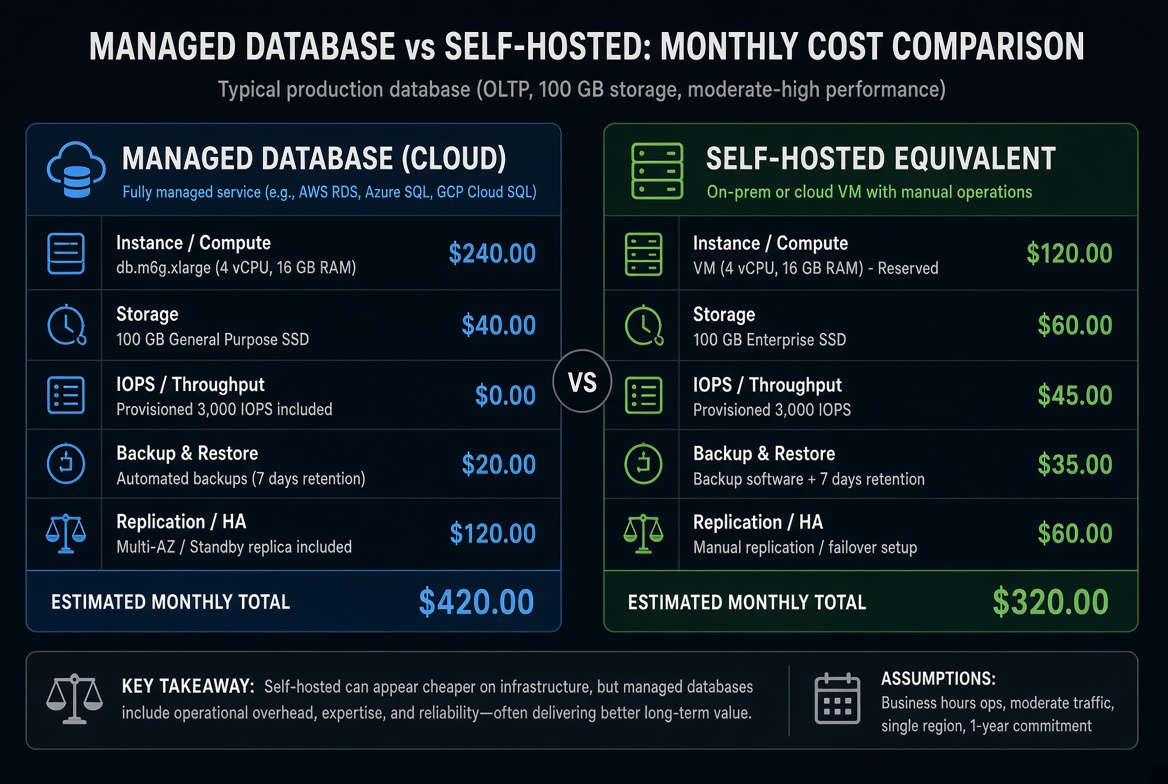
When managed databases stop being cheaper than self-hosted
Connection limits, storage IOPS, backup and cross-region replication costs that tip the balance, with a simple framework for the comparison.
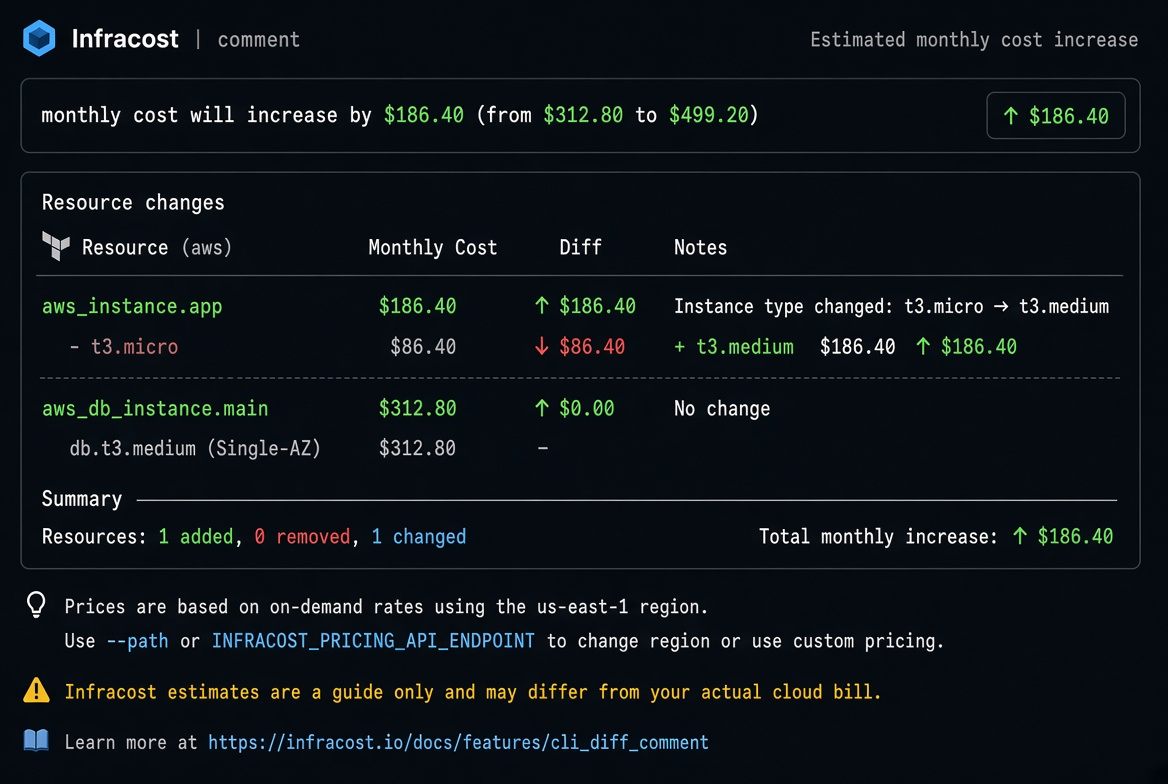
Terraform cost estimation before you apply
Practical experience with Infracost and similar tools, their limits, and how to fold the estimate into the team’s PR and review process.
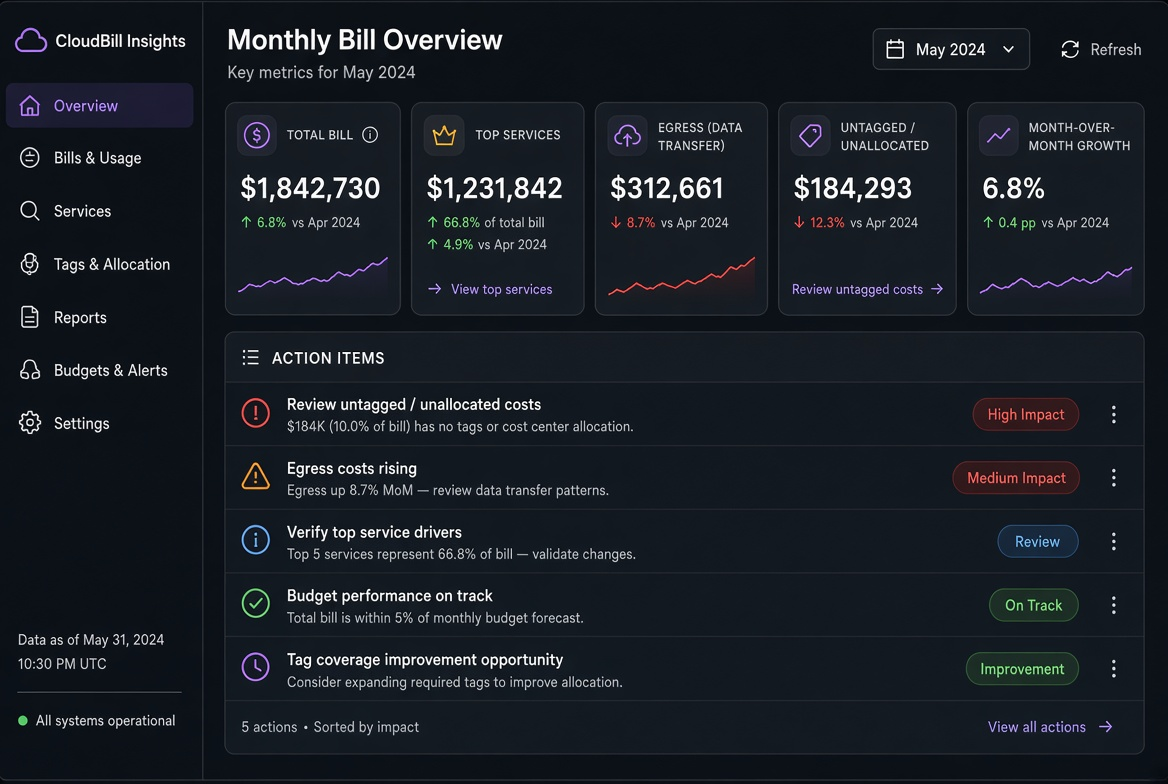
Monthly cloud bill review ritual for a small team
A fixed 30-minute process, the five numbers that matter, and an action-item template that turns cost review from a vague intention into a repeatable habit.
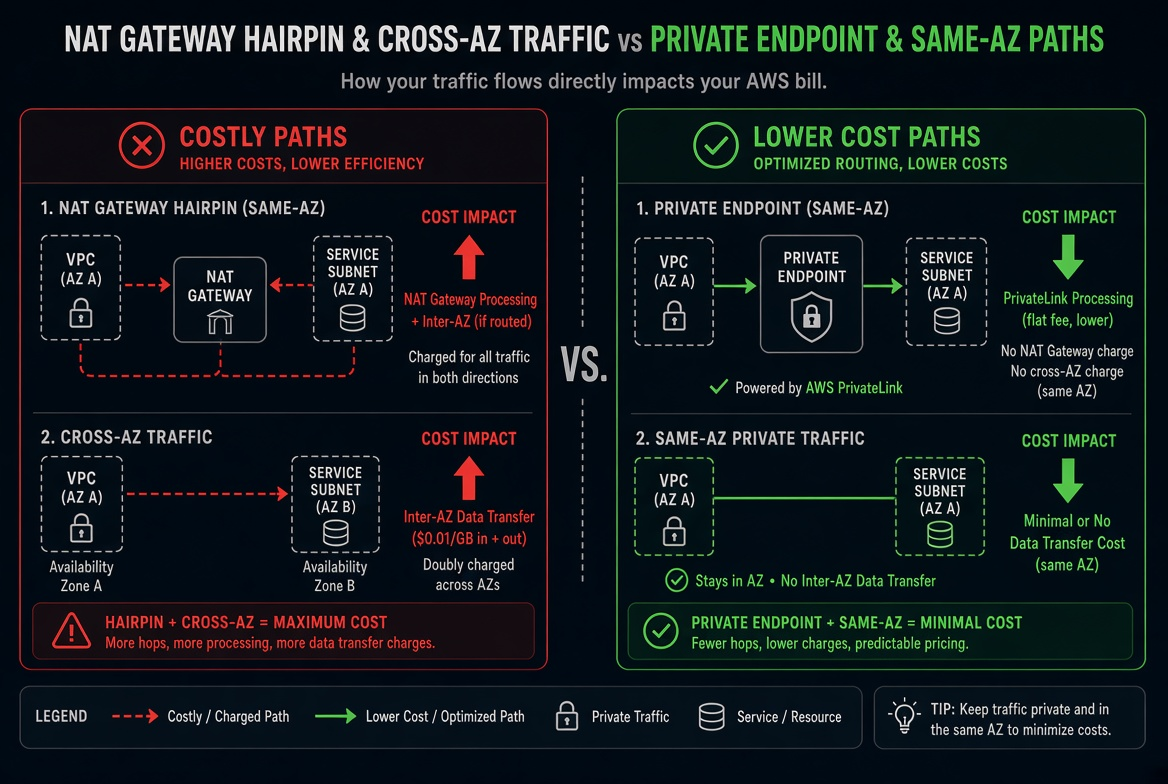
Network design choices that quietly multiply data transfer costs
Cross-AZ, public vs private paths, and NAT gateway usage patterns that turn modest traffic into large bills, with how to locate them using flow logs.
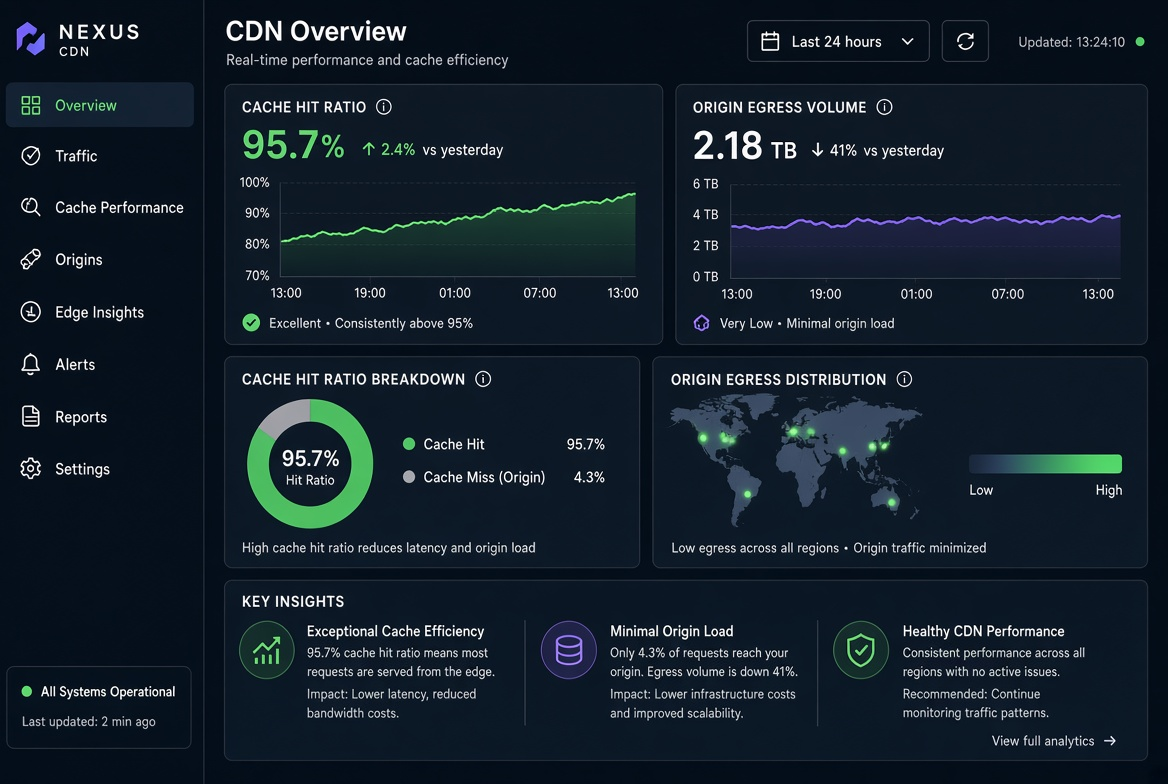
CDN setup that actually reduces your egress line
Cache keys, TTLs and origin-shield choices that turn a CDN from a latency tool into a real egress-cost reducer, plus how to verify hit ratios.
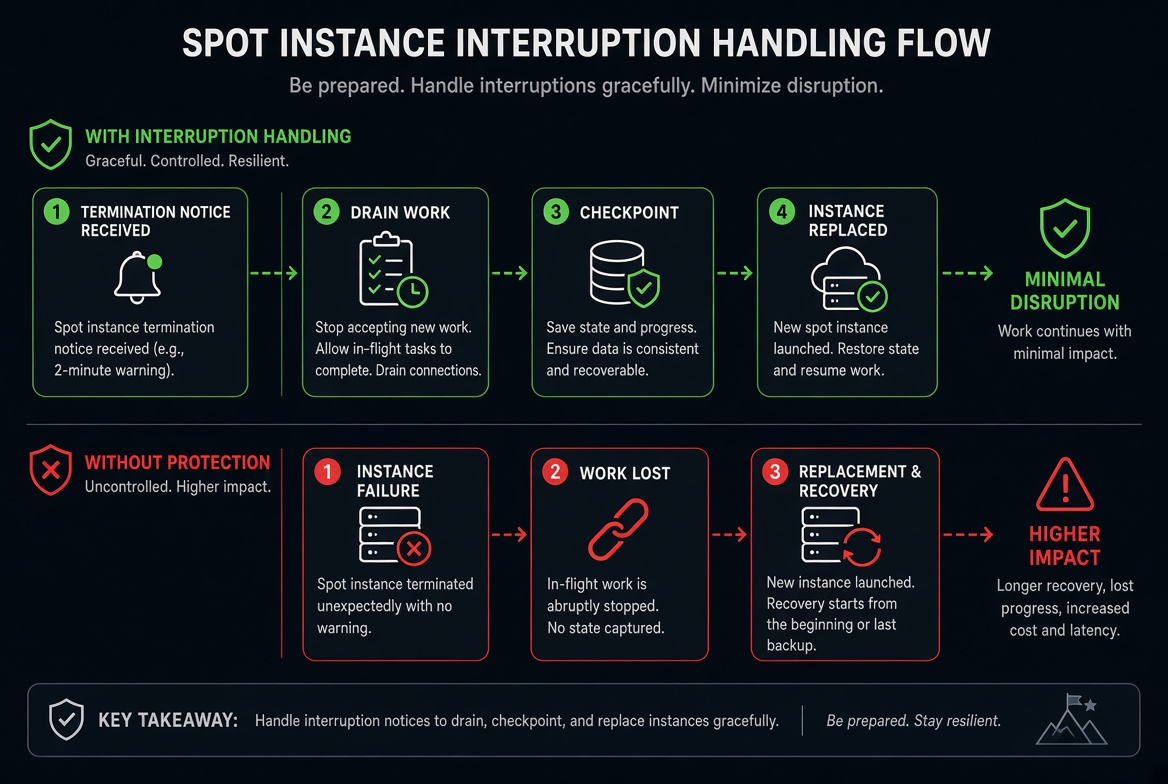
Spot / preemptible instances in real workloads
Where spot and preemptible capacity actually works, how to handle interruptions cleanly, and the realistic savings magnitude for different workload types.
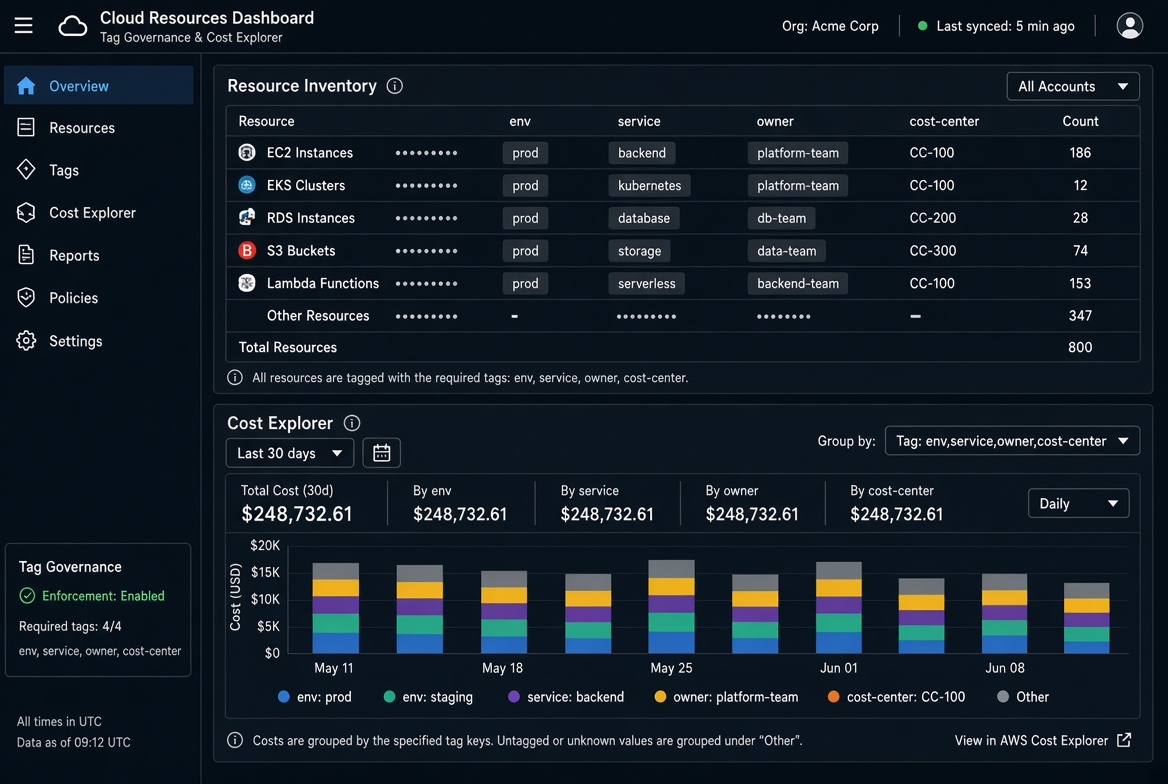
Using tags and cost allocation from day one
A practical tag strategy, enforcement mechanisms and the pain of trying to retrofit cost allocation after the fact.
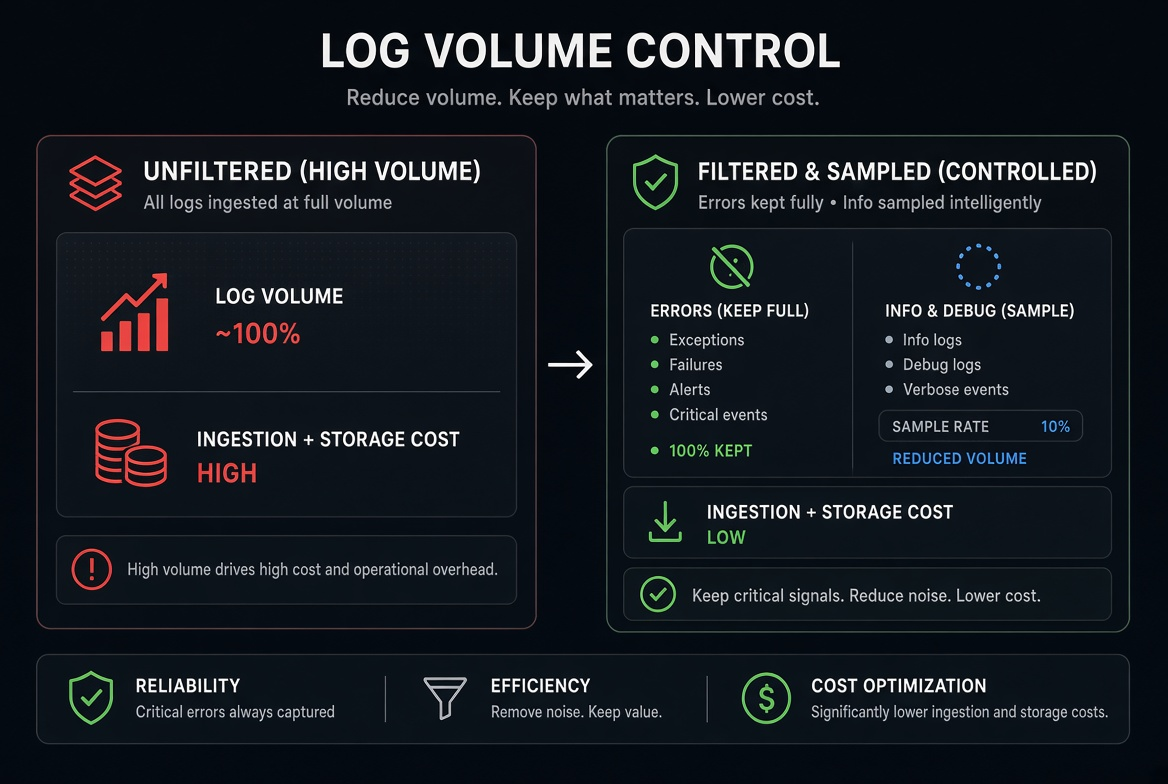
Logging that doesn’t cost more than the application
How log volume, retention, egress and indexing create cost leverage, with sampling, filtering and cheaper alternatives that keep the signal without the bill shock.
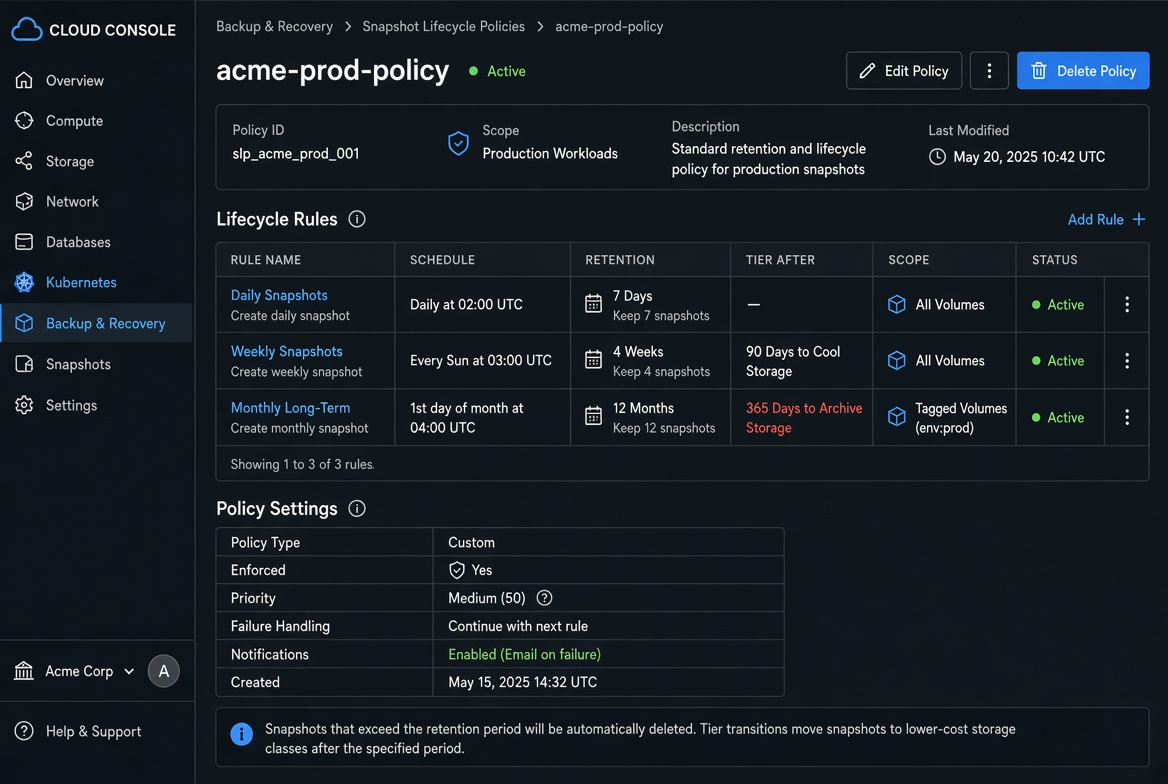
Snapshots, backups and the storage bill that grows while you sleep
How incremental snapshots, cross-region copies and retention policies quietly inflate storage costs, with concrete ways to measure real usage and clean up safely.
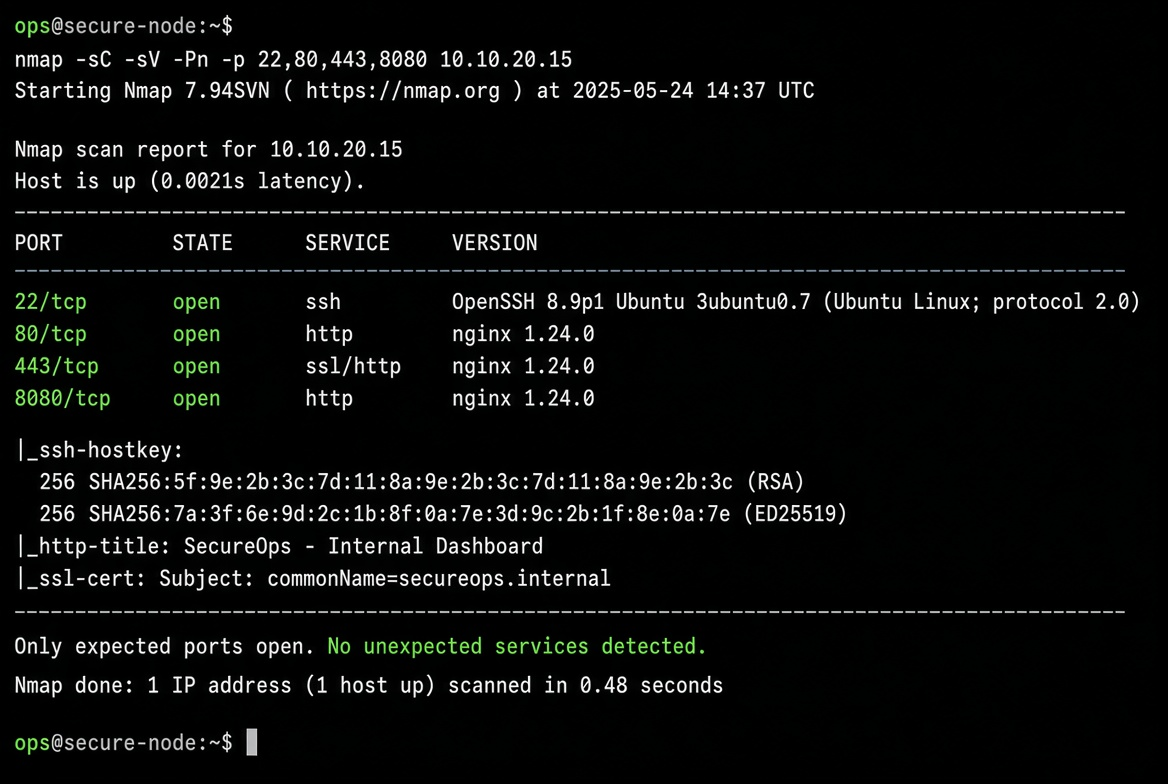
A practical post-deploy security checklist (without the enterprise theater)
The 8–10 checks a small team actually runs after a new service goes live, ordered by priority, with commands and the items that can be automated.
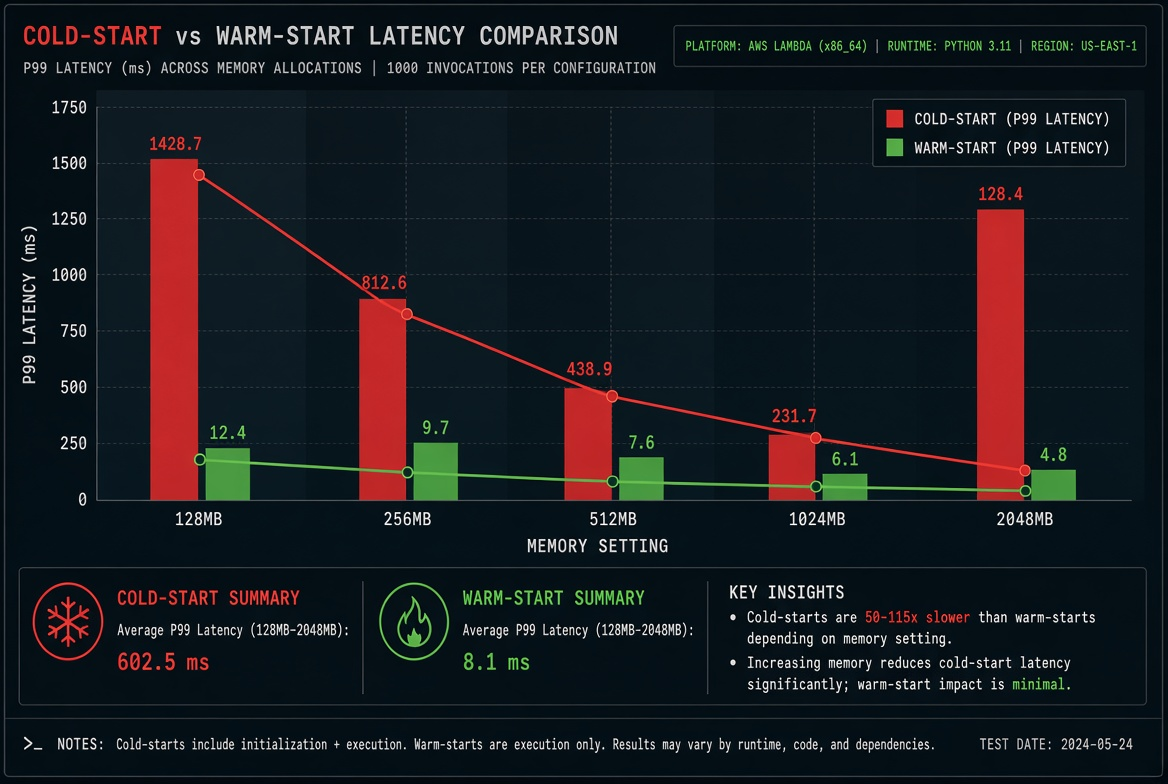
Serverless cold starts and the real cost of “pay per use”
How cold-start frequency, memory settings and concurrency shape the actual bill, with simple measurement methods and the point at which provisioned or always-on capacity becomes cheaper.
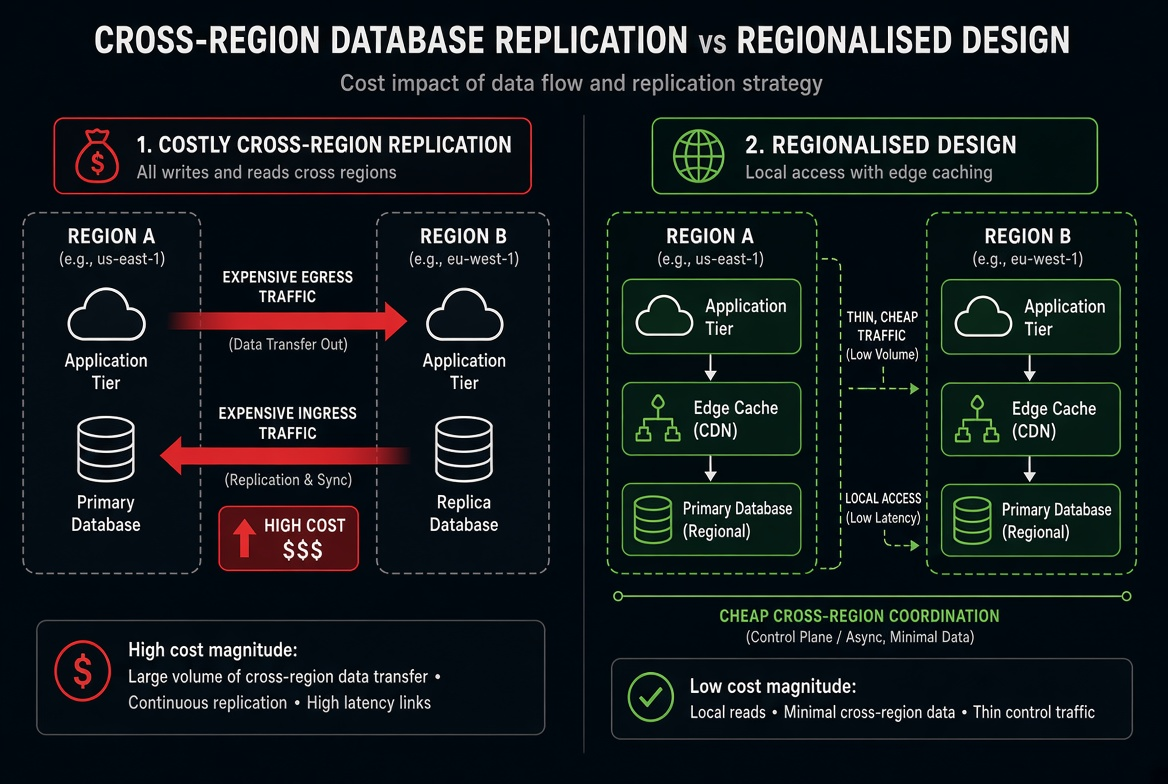
Cross-region data transfer: the silent budget killer
How same-cloud inter-region, cross-cloud and private-link traffic differ in cost magnitude, with real architecture mistakes and a simple region-affinity check.
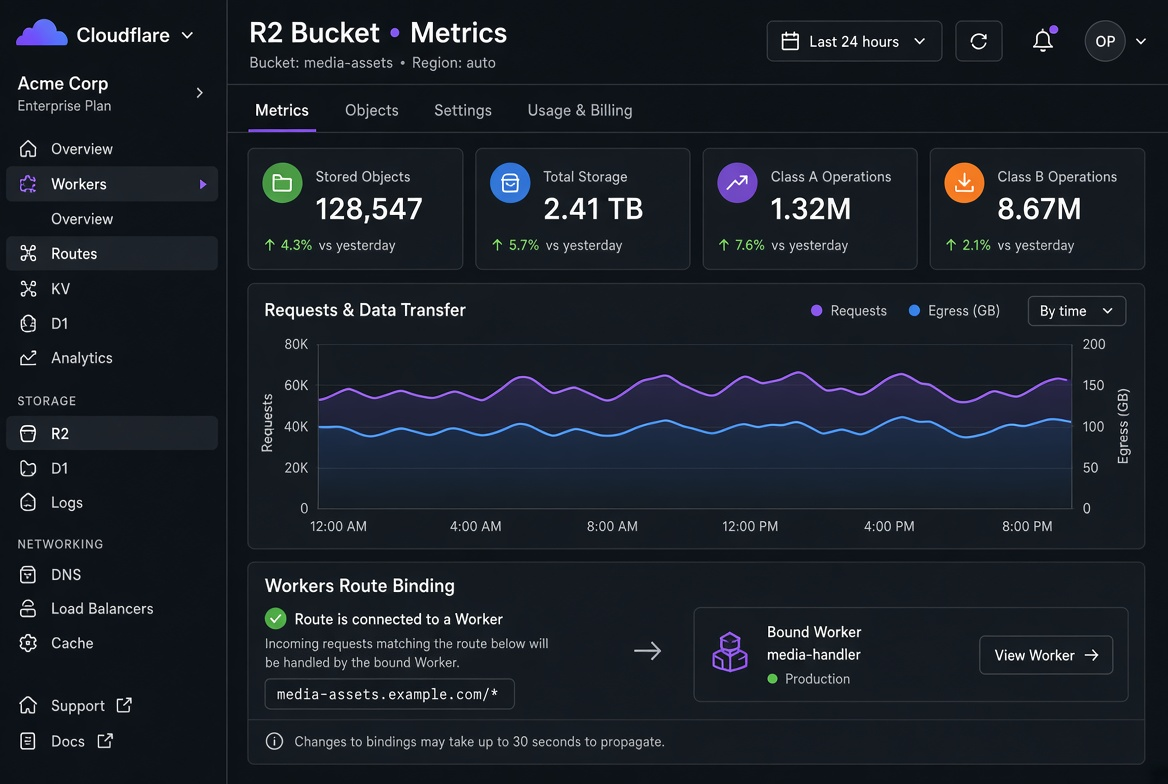
Cloudflare R2 + Workers: when zero egress actually works
Boundary conditions, cache behaviour and request limits that decide whether R2’s zero-egress pricing is a real saving or just a different cost centre.
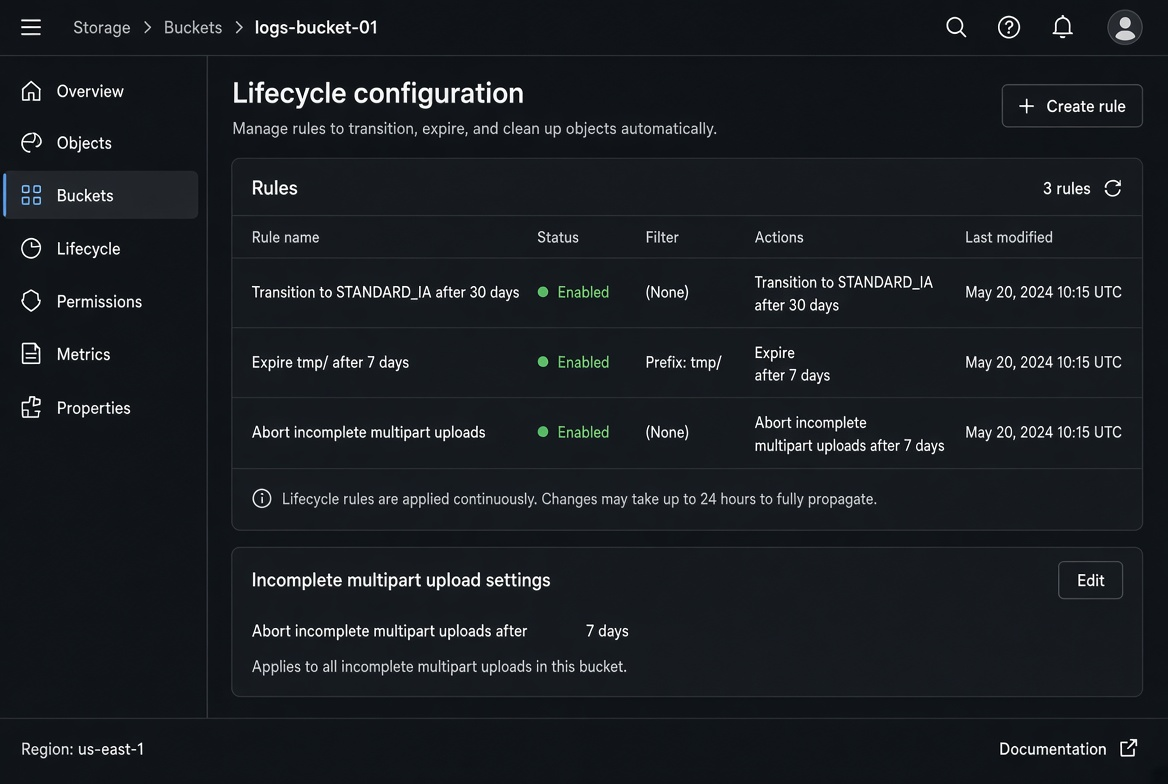
Object storage that doesn’t bleed money on downloads
Practical trade-offs between public buckets, CDN, pre-signed URLs and lifecycle rules so downloads stop being the line item that quietly doubles your bill.
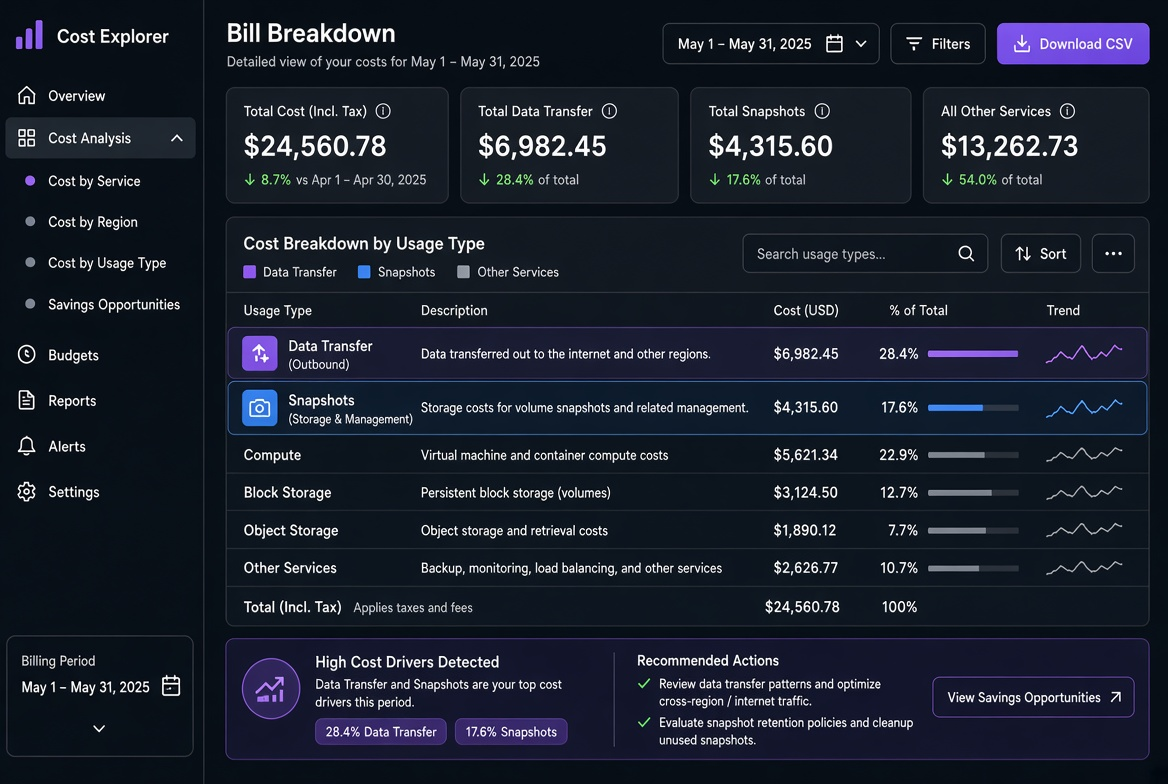
Why your first cloud bill is always higher than the calculator
The hidden line items that make the real invoice diverge from the pricing calculator: traffic, snapshots, public IPs, NAT, logging egress and the ways to find them with tags and Cost Explorer.
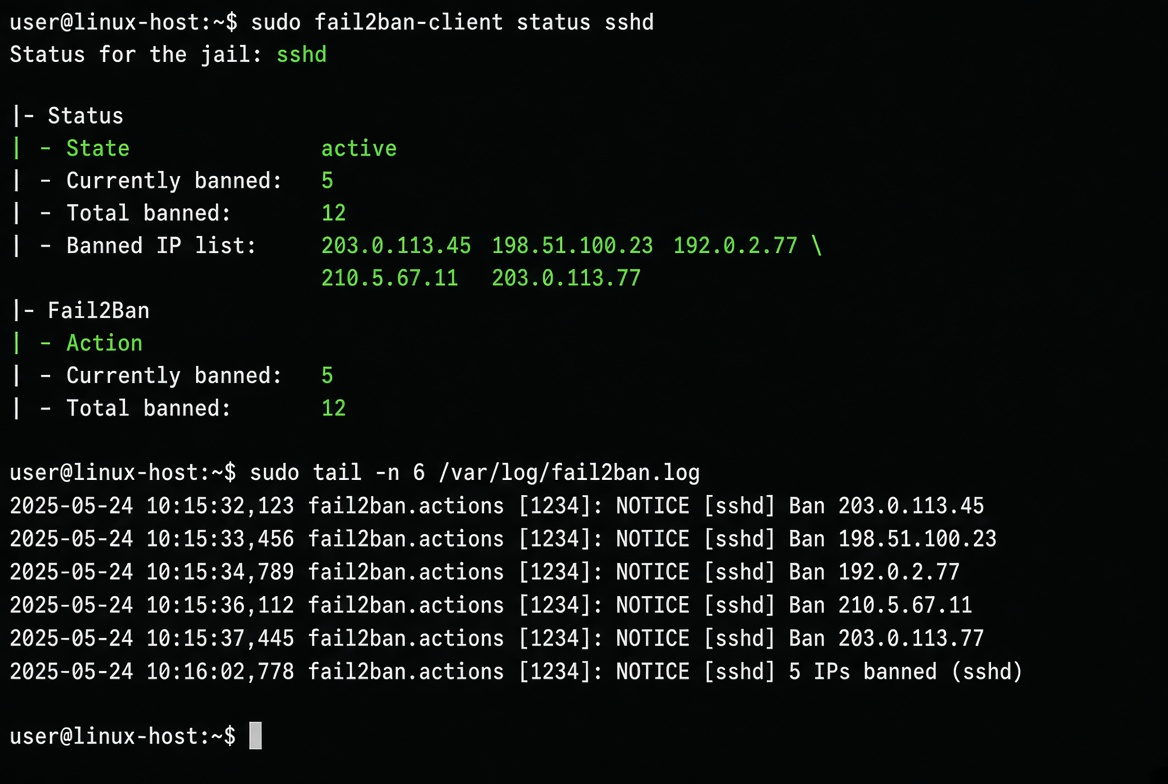
SSH hardening that actually survives the first week
A practical combination of keys, fail2ban, port changes and AllowUsers that keeps working after the honeymoon period, plus the exact ways people lock themselves out.
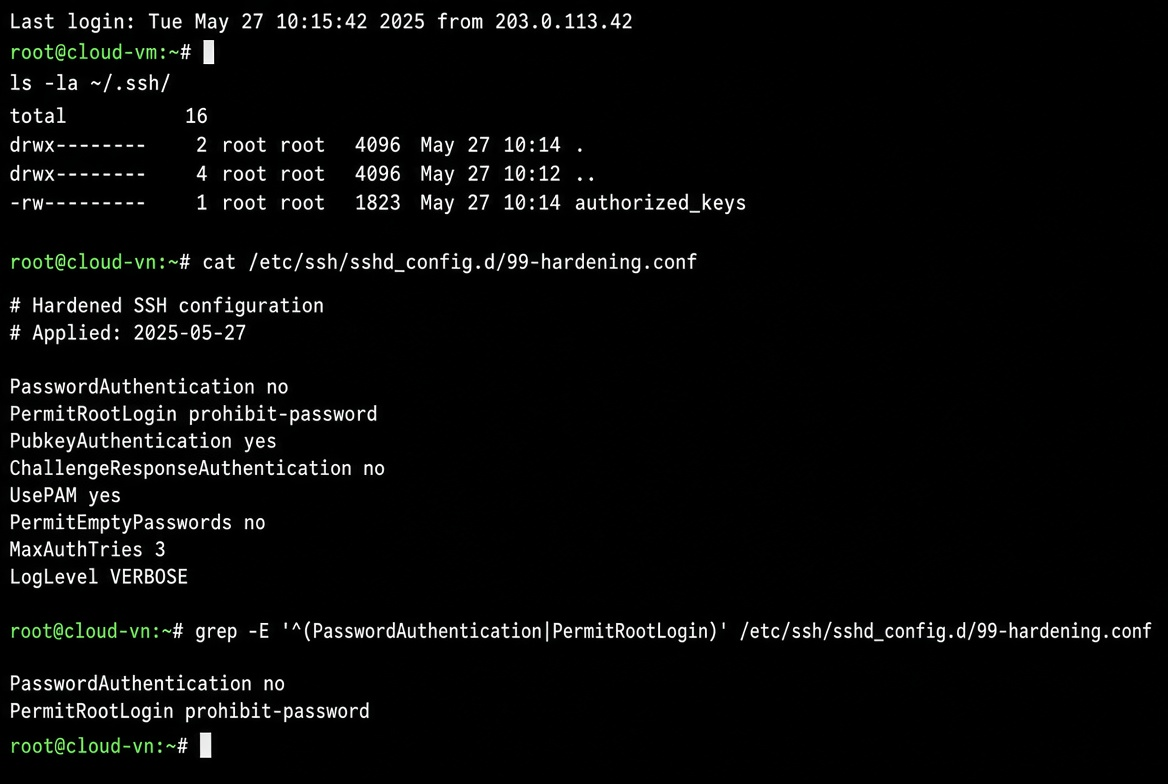
After the OS boots: the first 30 minutes on a new cloud VM
A practical, opinionated sequence for the first half hour after a fresh cloud Linux image comes online. Real order of operations from someone who has locked themselves out more than once.